Introduction
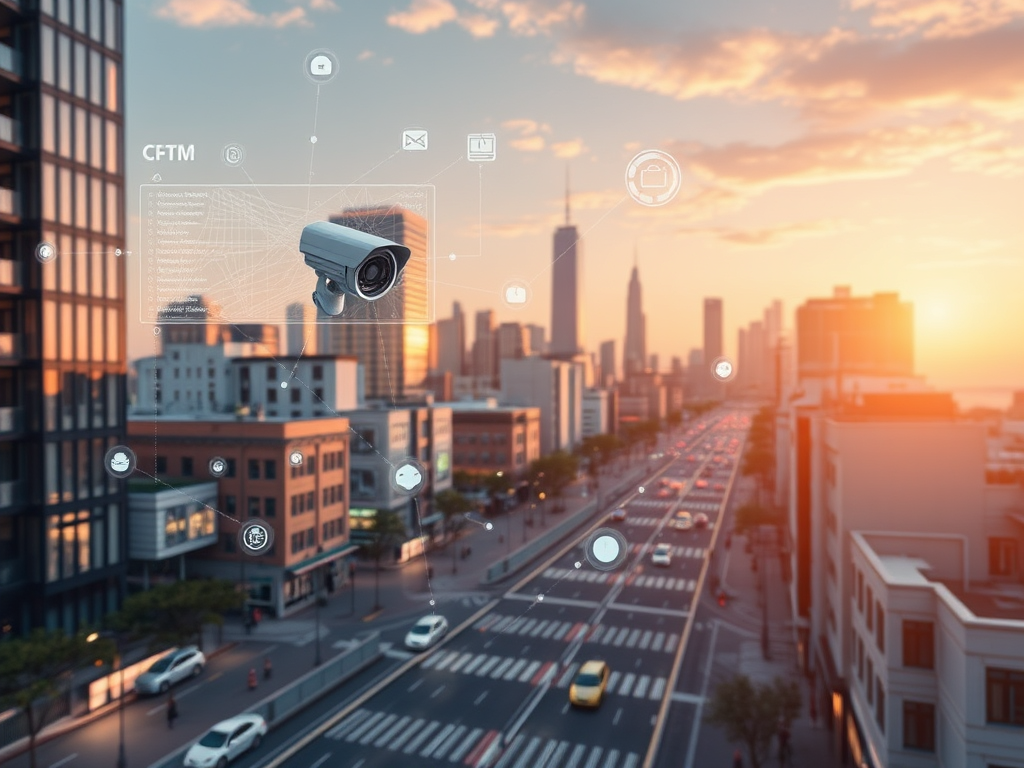
As urbanization accelerates, cities face increasing challenges in ensuring public safety and efficiently managing resources. Digital twin (DT) technology has emerged as a powerful tool to address these challenges. By creating virtual replicas of physical assets and systems, digital twins enable real-time monitoring, predictive analytics, and optimized management of urban environments. This white paper explores the applications of digital twins in enhancing public safety, covering areas such as crime prevention, emergency response, accident prevention, civil defense, mass management, traffic and transportation, environmental and health monitoring, and infrastructure security.
1. Crime Prevention and Policing
Discussion:
In modern urban environments, effective crime prevention and policing require leveraging advanced technologies to stay ahead of criminal activities. Digital twins play a crucial role by integrating data from various sources such as police reports, CCTV footage, social media, and IoT sensors to create dynamic crime maps. These maps highlight crime hotspots and patterns, enabling law enforcement agencies to allocate resources more effectively and respond swiftly to incidents.
One notable application is real-time crime mapping, which provides a comprehensive view of crime trends, helping police departments identify areas that require increased patrolling and resources. Predictive policing takes this a step further by using machine learning algorithms to analyze historical crime data and predict future incidents. This proactive approach allows police to implement measures that deter criminal activity before it occurs.
Facial recognition technology, integrated into digital twin systems, enhances surveillance by identifying suspects in real-time. High-resolution cameras capture images that are processed through facial recognition software, comparing them against a database of known offenders. This technology not only speeds up the identification and apprehension of suspects but also acts as a deterrent for potential criminals.
Gunshot detection systems utilize acoustic sensors to detect and locate gunfire incidents. These sensors can differentiate gunshots from other loud noises and pinpoint the location of the gunfire. This information is immediately relayed to law enforcement, allowing for a swift response, which can significantly reduce the impact of gun-related crimes.
Proof of Concept:
- The Hexagon Digital Twins for Public Safety and Security Report illustrates how cities like Chicago have successfully implemented predictive policing and real-time crime mapping to reduce crime rates and improve public safety.
Summary:
- Real-Time Crime Mapping: Integrates data from various sources to create dynamic crime maps.
- Predictive Policing: Uses machine learning to predict future crime incidents.
- Facial Recognition: Enhances surveillance and identification of suspects.
- Gunshot Detection Systems: Detects and locates gunfire for rapid law enforcement response.
2. Emergency Response and Management
Discussion:
Emergency response is a critical component of public safety, requiring quick and coordinated actions to minimize damage and save lives. Digital twin technology transforms how cities respond to emergencies by providing real-time data and predictive insights. Integrated emergency command centers, powered by digital twins, centralize data from multiple emergency services such as fire, medical, and police departments. This integration enhances coordination and decision-making, ensuring a more effective response during crises.
Disaster early warning systems leverage IoT sensors and AI to monitor environmental conditions and predict natural disasters such as floods, earthquakes, and storms. These systems provide early warnings to residents and emergency services, allowing for timely evacuations and preparations. Mobile emergency apps, integrated with digital twin platforms, offer residents real-time alerts and the ability to report incidents directly to emergency services. These apps also provide guidance on safety protocols and evacuation routes.
Real-time traffic management during emergencies is another critical application of digital twins. By optimizing traffic flow and reducing congestion, digital twins ensure that emergency vehicles can move quickly through urban areas. This capability is essential for minimizing response times and ensuring that help arrives when and where it is needed most.
Proof of Concept:
- The Hexagon Digital Twins for Public Safety and Security Report showcases how cities have implemented integrated emergency command centers and real-time traffic management systems to improve emergency response and reduce casualties.
Summary:
- Integrated Emergency Command Centers: Centralize data from multiple emergency services for enhanced coordination.
- Disaster Early Warning Systems: Use IoT and AI to predict and warn about natural disasters.
- Mobile Emergency Apps: Provide real-time alerts and incident reporting capabilities.
- Real-Time Traffic Management: Optimize traffic flow for rapid emergency vehicle movement.
3. Accident Prevention
Discussion:
Accident prevention is a top priority for city planners, aiming to enhance road safety and reduce traffic-related injuries. Digital twin technology offers innovative solutions for smart traffic management, vehicle-to-infrastructure communication, and pedestrian safety. Smart traffic signals use IoT sensors and adaptive algorithms to adjust signal timings based on real-time traffic conditions, optimizing traffic flow, reducing congestion, and minimizing the risk of accidents at intersections.
Vehicle-to-infrastructure (V2I) communication enables vehicles to interact with traffic infrastructure, such as traffic lights and road signs. This communication helps in alerting drivers about upcoming traffic conditions, potential hazards, and changes in traffic signals. Pedestrian safety systems use sensors to detect pedestrians at crosswalks and intersections, alerting drivers to their presence and adjusting traffic signals to ensure safe crossings.
Autonomous emergency braking systems use sensors and AI to detect obstacles and automatically apply brakes to prevent collisions. These systems are particularly effective in reducing rear-end collisions and enhancing overall vehicle safety.
Proof of Concept:
- The Smart Mobility Digital Twin Based Automated Vehicle Navigation System demonstrates how digital twins can enhance traffic safety and reduce accidents by optimizing vehicle navigation and communication with infrastructure.
Summary:
- Smart Traffic Signals: Adjust timings based on real-time traffic conditions.
- Vehicle-to-Infrastructure (V2I) Communication: Enables real-time interaction between vehicles and infrastructure.
- Pedestrian Safety Systems: Use sensors to enhance safety at crosswalks and intersections.
- Autonomous Emergency Braking Systems: Detect obstacles and apply brakes to prevent collisions.
4. Civil Defense
Discussion:
Civil defense involves preparing for and responding to large-scale emergencies such as natural disasters, terrorist attacks, and other critical incidents. Digital twin technology enhances urban security and readiness through advanced monitoring, simulation, and response capabilities. Urban area security monitoring deploys surveillance technologies and IoT sensors to monitor public spaces for potential threats, providing real-time situational awareness and threat detection.
Emergency evacuation planning uses digital twin simulations to develop detailed evacuation plans for various scenarios. These plans are based on real-time data and predictive models, ensuring efficient and organized evacuations. Managing hazardous material incidents requires rapid response and precise information. Digital twins integrate data from chemical sensors to provide real-time information about hazardous materials and their impact.
Real-time threat detection and alerts use AI and IoT technologies to detect potential threats such as terrorism and natural disasters. These systems analyze data from various sources, such as surveillance cameras and social media, to identify threats and issue alerts to relevant authorities.
Proof of Concept:
- The Thales Alenia Space Digital Twin Initiative in Luxembourg focuses on flood management, demonstrating how digital twins can predict and respond to natural disasters effectively.
Summary:
- Urban Area Security Monitoring: Uses surveillance and IoT sensors for real-time threat detection.
- Emergency Evacuation Planning: Develops detailed evacuation plans using simulations.
- Hazardous Material Incident Management: Provides real-time information for managing hazardous materials.
- Real-Time Threat Detection and Alerts: Uses AI and IoT for real-time threat detection and alerts.
5. Mass Management
Discussion:
Managing large public events requires advanced technologies to ensure safety and efficiency. Digital twins provide real-time monitoring and predictive analytics to enhance crowd control, emergency response, and overall event management. Crowd monitoring and management systems utilize AI and IoT to track and analyze the movement and density of crowds in real-time. These systems help event organizers manage crowd flow, prevent overcrowding, and ensure the safety of attendees.
Real-time event notifications provide attendees with important updates and safety information during events. These notifications can be sent through mobile apps, digital signage, and other communication channels. Emergency evacuation protocols developed using digital twin simulations ensure organized and efficient evacuations, minimizing panic and confusion. Health monitoring stations at large events provide immediate medical assistance to attendees, enhancing public health and safety.
Proof of Concept:
- The Hexagon Digital Twins for Public Safety and Security Report includes examples of cities successfully implementing crowd monitoring and emergency response systems to manage public events.
Summary:
- Crowd Monitoring and Management: Uses AI and IoT to track and manage crowd movement.
- Real-Time Event Notifications: Provides updates and safety information to attendees.
- Emergency Evacuation Protocols: Ensures organized evacuations using simulations.
- Health Monitoring Stations: Provides immediate medical assistance at events.
6. Traffic and Transportation Management
Discussion:
Efficient traffic and transportation management are essential for smart cities. Digital twin technology offers real-time data and predictive insights to enhance mobility, reduce congestion, and improve public transportation efficiency. Adaptive traffic signal control systems use IoT sensors and AI to adjust signal timings based on real-time traffic conditions. These systems help optimize traffic flow, reduce congestion, and minimize delays.
Real-time traffic monitoring systems use data from traffic cameras, GPS devices, and IoT sensors to provide a comprehensive view of traffic conditions. This data is used to manage traffic flow, detect incidents, and optimize routes. Public transportation optimization uses data analytics to enhance route planning, scheduling, and real-time tracking of public transport vehicles. This improves efficiency and reduces delays.
Smart parking management systems use sensors and data analytics to optimize parking space utilization. These systems provide real-time information about available parking spaces, reducing the time spent searching for parking and minimizing congestion.
Proof of Concept:
- The Smart Mobility Digital Twin Based Automated Vehicle Navigation System illustrates the benefits of digital twins in optimizing traffic and transportation management, improving mobility and reducing congestion.
Summary:
- Adaptive Traffic Signal Control: Adjusts signal timings based on real-time traffic conditions.
Discussion:
Adaptive traffic signal control systems, which adjust signal timings based on real-time traffic data, play a pivotal role in managing urban traffic flow. By using IoT sensors and AI, these systems can respond to current traffic conditions, reducing congestion and improving travel times. This real-time adaptation helps minimize delays at intersections, leading to smoother traffic flow throughout the city.
Real-time traffic monitoring systems utilize data from traffic cameras, GPS devices, and IoT sensors to provide a comprehensive overview of traffic conditions. This data allows for the detection of traffic incidents and optimization of traffic routes, ensuring that vehicles can move efficiently through the city. Public transportation systems also benefit significantly from digital twins. By using data analytics to optimize route planning and scheduling, cities can improve the efficiency and reliability of public transport, reducing wait times and increasing passenger satisfaction.
Smart parking management systems use sensors to monitor parking space availability and provide real-time information to drivers. This reduces the time spent searching for parking spaces, decreases traffic congestion, and enhances the overall driving experience. By integrating these various aspects of traffic and transportation management, digital twins can create more efficient and user-friendly urban mobility systems.
Proof of Concept:
- The Smart Mobility Digital Twin Based Automated Vehicle Navigation System demonstrates how digital twins can improve traffic flow and reduce congestion by optimizing vehicle navigation and communication with infrastructure.
Summary:
- Adaptive Traffic Signal Control: Adjusts signal timings based on real-time traffic conditions.
- Real-Time Traffic Monitoring: Uses data from cameras, GPS, and sensors to optimize traffic flow.
- Public Transportation Optimization: Enhances route planning and scheduling using data analytics.
- Smart Parking Management: Provides real-time information on parking space availability.
7. Environmental and Health Monitoring
Discussion:
Environmental and health monitoring are critical for ensuring public safety and well-being in urban areas. Digital twin technology offers advanced tools to monitor air quality, noise pollution, water quality, and assess the health impact of environmental factors. By using IoT sensors, cities can collect real-time data on air pollution levels and integrate this information into digital twins to provide actionable insights and timely alerts to residents and authorities.
Noise pollution monitoring systems measure noise levels in different parts of the city, with digital twins analyzing the data to identify hotspots and develop mitigation strategies. This helps in reducing overall noise levels and improving the quality of life for residents. Water quality monitoring systems use sensors to measure parameters such as pH, turbidity, and contamination levels in water supply systems. Digital twins integrate this data to ensure a safe and clean water supply, enabling quick response to any detected issues.
Health impact assessment tools use data from environmental sensors, health records, and population demographics to evaluate the health effects of environmental factors. These assessments inform policies and interventions aimed at improving public health outcomes.
Proof of Concept:
- The Sensor-Enabled Digital Twins for Healthcare study illustrates how digital twins can enhance environmental and health monitoring by integrating sensor data and providing comprehensive health assessments.
Summary:
- Air Quality Monitoring: Uses IoT sensors to collect real-time air pollution data.
- Noise Pollution Monitoring: Measures and analyzes noise levels to develop mitigation strategies.
- Water Quality Monitoring: Ensures safe water supply by monitoring key parameters.
- Health Impact Assessment Tools: Evaluates health effects of environmental factors using comprehensive data.
8. Infrastructure Security
Discussion:
Infrastructure security is crucial for the safety and functionality of cities. Digital twin technology provides advanced monitoring and predictive capabilities to ensure the reliability and security of critical infrastructure such as bridges, buildings, energy systems, and water supply networks. Structural health monitoring systems use sensors to collect real-time data on the condition of infrastructure, allowing digital twins to assess structural integrity and predict potential failures. This enables timely maintenance and repairs, enhancing the safety and longevity of infrastructure.
Cybersecurity for critical infrastructure is another vital application of digital twins. By deploying network intrusion detection systems, data encryption, and secure access management, digital twins help protect essential services from cyber-attacks. Ensuring the cybersecurity of power grids, water supply systems, and telecommunications is crucial for maintaining their operation and security.
Energy infrastructure management benefits from digital twins by using data from smart meters and sensors to optimize energy consumption and predict maintenance needs. This ensures a reliable and efficient energy supply, reducing energy losses and maintenance costs. Similarly, water infrastructure monitoring uses sensors to measure flow rates, pressure, and water quality, ensuring the reliability and safety of water supply systems.
Proof of Concept:
- The Thales Alenia Space Digital Twin Initiative for flood management in Luxembourg highlights the effectiveness of digital twins in predicting and responding to infrastructure-related emergencies.
Summary:
- Structural Health Monitoring: Uses sensors to assess and predict infrastructure integrity.
- Cybersecurity for Critical Infrastructure: Deploys advanced cybersecurity measures to protect essential services.
- Energy Infrastructure Management: Optimizes energy consumption and maintenance using real-time data.
- Water Infrastructure Monitoring: Ensures reliable water supply through continuous monitoring.
Conclusion
Digital twin technology offers transformative potential for public safety and urban management. By integrating real-time data, predictive analytics, and advanced monitoring systems, digital twins enhance crime prevention, emergency response, accident prevention, civil defense, mass management, traffic and transportation management, environmental and health monitoring, and infrastructure security. These innovations lead to safer, more efficient, and more resilient cities, ultimately improving the quality of life for residents.
Sources and Further Reading:
- Hexagon Digital Twins for Public Safety and Security Report: Hexagon Report
- Thales Alenia Space Digital Twin Initiative: Thales Alenia Space
- Smart Mobility Digital Twin Based Automated Vehicle Navigation System: Arxiv
- Sensor-Enabled Digital Twins for Healthcare: MDPI
This white paper provides a comprehensive overview of the applications and benefits of digital twin technology in enhancing public safety and urban management. It highlights key use cases, benefits, implementation steps, and real-world examples, offering valuable insights for city planners, policymakers, and technology developers. By leveraging digital twins, cities can achieve greater safety, efficiency, and resilience, ensuring a better future for their residents.