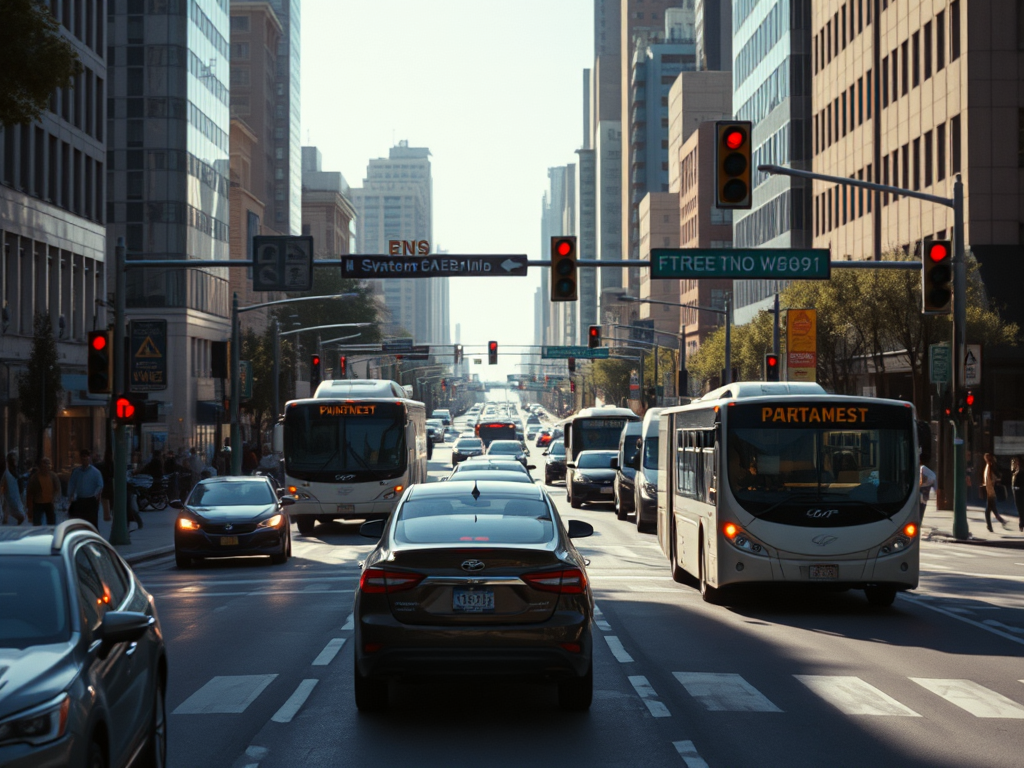
The concept of using multiple digital twins (DTs) involves creating distinct yet interconnected virtual models for different aspects of city management. Each digital twin represents a specific sector or system within the city, allowing for detailed simulation, analysis, and optimization. These individual DTs work together to create a comprehensive digital representation of the city, enabling more effective and coordinated urban management.
15 Municipality Digital Twins
- Transportation DT
- Purpose: Optimize traffic flow, manage public transportation, reduce congestion.
- Value: Improved mobility, reduced travel time, lower emissions.
- Priority: High.
- Relationship: Interacts with Infrastructure, Environmental, and Emergency Services DTs.
- Water Management DT
- Purpose: Monitor and manage water distribution, wastewater, and stormwater systems.
- Value: Efficient water usage, prevention of floods, improved water quality.
- Priority: High.
- Relationship: Interacts with Environmental, Building, and Energy Management DTs.
- Building DT
- Purpose: Simulate building operations, maintenance, and energy usage.
- Value: Enhanced building efficiency, reduced operational costs, improved occupant comfort.
- Priority: Medium.
- Relationship: Interacts with Energy, Water Management, and Environmental DTs.
- Infrastructure DT
- Purpose: Monitor and manage physical infrastructure such as roads, bridges, and tunnels.
- Value: Prolonged infrastructure lifespan, reduced maintenance costs, improved safety.
- Priority: High.
- Relationship: Interacts with Transportation, Water Management, and Emergency Services DTs.
- Energy Management DT
- Purpose: Optimize energy production, distribution, and consumption.
- Value: Reduced energy costs, lower carbon footprint, improved reliability.
- Priority: High.
- Relationship: Interacts with Building, Transportation, and Water Management DTs.
- Environmental DT
- Purpose: Monitor air quality, noise levels, and other environmental parameters.
- Value: Improved public health, compliance with regulations, better quality of life.
- Priority: Medium.
- Relationship: Interacts with Transportation, Building, and Water Management DTs.
- Public Safety and Security DT
- Purpose: Enhance security measures, monitor crime hotspots, manage emergency responses.
- Value: Improved public safety, quicker emergency response, reduced crime rates.
- Priority: High.
- Relationship: Interacts with Transportation, Infrastructure, and Emergency Services DTs.
- Healthcare DT
- Purpose: Simulate healthcare services, manage hospital resources, predict disease outbreaks.
- Value: Better healthcare delivery, optimized resource allocation, improved public health.
- Priority: Medium.
- Relationship: Interacts with Environmental, Emergency Services, and Transportation DTs.
- Waste Management DT
- Purpose: Optimize waste collection, recycling, and disposal processes.
- Value: Reduced waste, increased recycling rates, lower costs.
- Priority: Medium.
- Relationship: Interacts with Environmental, Transportation, and Building DTs.
- Emergency Services DT
- Purpose: Simulate and manage emergency responses, optimize resource allocation.
- Value: Quicker and more effective emergency responses, improved public safety.
- Priority: High.
- Relationship: Interacts with Public Safety, Transportation, and Healthcare DTs.
- Education DT
- Purpose: Optimize school operations, manage resources, enhance learning environments.
- Value: Improved educational outcomes, efficient resource use, better school management.
- Priority: Medium.
- Relationship: Interacts with Transportation, Building, and Healthcare DTs.
- Recreation and Parks DT
- Purpose: Manage park maintenance, simulate recreational usage, optimize resources.
- Value: Enhanced public spaces, improved community health, better resource management.
- Priority: Medium.
- Relationship: Interacts with Environmental, Transportation, and Building DTs.
- Telecommunications DT
- Purpose: Optimize network infrastructure, manage data flow, predict service disruptions.
- Value: Improved connectivity, reduced downtime, enhanced service delivery.
- Priority: High.
- Relationship: Interacts with Infrastructure, Public Safety, and Transportation DTs.
- Economic Development DT
- Purpose: Simulate economic scenarios, manage business resources, optimize investments.
- Value: Enhanced economic growth, better investment strategies, improved job creation.
- Priority: Medium.
- Relationship: Interacts with Transportation, Infrastructure, and Education DTs.
- Community Engagement DT
- Purpose: Enhance citizen interaction, gather feedback, simulate public participation.
- Value: Increased public satisfaction, better policy-making, stronger community relations.
- Priority: Medium.
- Relationship: Interacts with Public Safety, Education, and Recreation DTs.
Summary
The integration of multiple digital twins in city management allows for a comprehensive and coordinated approach to urban planning and operations. Each DT provides valuable insights and optimizations for its specific domain while interacting with other DTs to ensure holistic management of the city’s resources and services. By leveraging these interconnected digital twins, municipalities can achieve significant improvements in efficiency, cost savings, and quality of life for their residents.
Leave a Reply